Donald Trump has launched a furious public rebuke against CBS’s 60 Minutes, accusing the program and its anchor of irresponsibility for reading excerpts from the alleged gunman’s manifesto during a segment on the attempted assassination at a recent rally. The backlash underscores a growing tension between media coverage practices and political accountability—especially when acts of violence intersect with public figures.
Trump did not hold back. In a series of statements, he branded the broadcast as a dangerous platforming of a “sick, deranged individual” and accused the network of giving oxygen to extremist ideologies under the guise of journalism. At the heart of his outrage: the decision by the anchor to read verbatim passages attributed to the shooter, a move Trump claims amplified the attacker’s message and endangered public discourse.
This isn’t merely about one news segment. It’s a flashpoint in the ongoing debate over how media should handle extremist content—when to report, when to withhold, and who ultimately bears responsibility for the ripple effects.
The Incident That Sparked the Firestorm
On a Sunday evening broadcast, 60 Minutes aired a special report detailing the investigation into the attempted assassination of Donald Trump at a Pennsylvania rally. As part of the exposé, the anchor read direct quotes from what investigators describe as the alleged gunman’s unpublished online writings—referred to widely as a “manifesto.”
These writings, while not formally confirmed as a cohesive document by law enforcement, contained anti-government sentiments, political grievances, and veiled references to public figures, including Trump. The network defended its decision as a necessary part of contextualizing the attack and informing the public.
Trump responded swiftly. In a statement released through his spokesperson, he called the act “an outrage” and suggested the network had crossed a journalistic line. “By reading the deranged words of a would-be assassin, CBS didn’t report news—they promoted it,” the statement read. “They gave a platform to hate, and in doing so, made themselves complicit in spreading the very danger they claim to expose.”
Why Trump’s Reaction Matters
Trump’s response isn’t just political posturing—it reflects a broader shift in how public figures respond to media narratives around violence. For years, Trump has positioned himself as a target of media bias, often accusing outlets of fueling division. This incident gives him new ammunition.
But more significantly, his criticism taps into a legitimate ethical dilemma: Should media outlets broadcast or read extremist manifestos—especially when those manifestos name or reference political figures?
Historical precedent offers mixed guidance. After the 2011 Norway attacks, many European outlets refused to distribute Anders Behring Breivik’s 1,500-page manifesto, citing concerns over glorification. In contrast, U.S. media often prioritize transparency, arguing the public has a right to know the motives behind violent acts.
Yet, in this case, Trump is leveraging that tension to paint 60 Minutes as reckless. His argument hinges on the idea that reading the text—not just summarizing it—grants the shooter a symbolic victory, turning a failed attack into a successful platforming.

The Anchor’s Role and Media Responsibility
The specific anchor, whose identity became a focal point of online backlash, defended the editorial decision during a follow-up interview. “Our job isn’t to sanitize violence,” they said. “It’s to help people understand it. If we omit the words the suspect wrote, we risk obscuring motive, pattern, and warning signs that could prevent future attacks.”
Still, critics—including media ethicists—question whether verbatim reading was necessary. Could the same impact have been achieved through paraphrasing or selective citation?
Consider this: when media outlets broadcast a shooter’s manifesto in full, they often see a surge in online searches for the document. A 2019 study by the Combating Online Violent Extremism (COVE) initiative found that full-text reproductions correlated with a 300% increase in downloads of extremist material within 24 hours.
In this context, 60 Minutes may have informed some, but potentially radicalized others.
Trump seized on this risk. “They didn’t just report—they performed,” he said in a Truth Social post. “They gave him a megaphone. That’s not journalism. That’s collaboration.”
The Line Between Reporting and Amplification
The core of the controversy lies in defining the boundary between responsible reporting and unintentional amplification.
When a violent act occurs, media outlets face a triage of competing priorities: - Public safety - Transparency - Avoiding glorification - Preventing copycat behavior
Reading the manifesto aloud, especially on a high-profile program like 60 Minutes, tilts the scale toward visibility. Even with disclaimers, the act of vocalizing extremist rhetoric can normalize it—particularly when delivered in a calm, authoritative tone.
Compare this to how many outlets handled the Unabomber’s manifesto in 1995. The Washington Post and The New York Times agreed to publish it—but only after consulting the FBI, with the goal of helping identify Ted Kaczynski. The decision was strategic, not sensational.
In contrast, the 60 Minutes segment did not appear to serve an investigative purpose. It was part of a retrospective narrative, not an active manhunt. That distinction matters.
Trump understands this nuance. His attack isn’t just about the content—it’s about the context. By framing the reading as gratuitous, he positions CBS as prioritizing ratings over responsibility.
Precedents and the Weaponization of Media Ethics
Trump is not the first political figure to criticize media coverage of extremist writings. After the 2019 El Paso shooting, then-President Trump condemned media for circulating the gunman’s manifesto, which contained anti-immigrant rhetoric. At the time, he called for tech platforms to “remove these pages and websites” and accused journalists of “giving these monsters the fame they seek.”
Ironically, Trump’s own rhetoric has long been scrutinized for inflammatory language. Critics argue that his frequent references to “enemies of the people” and “rigged systems” contribute to a climate where violence feels justified to some.
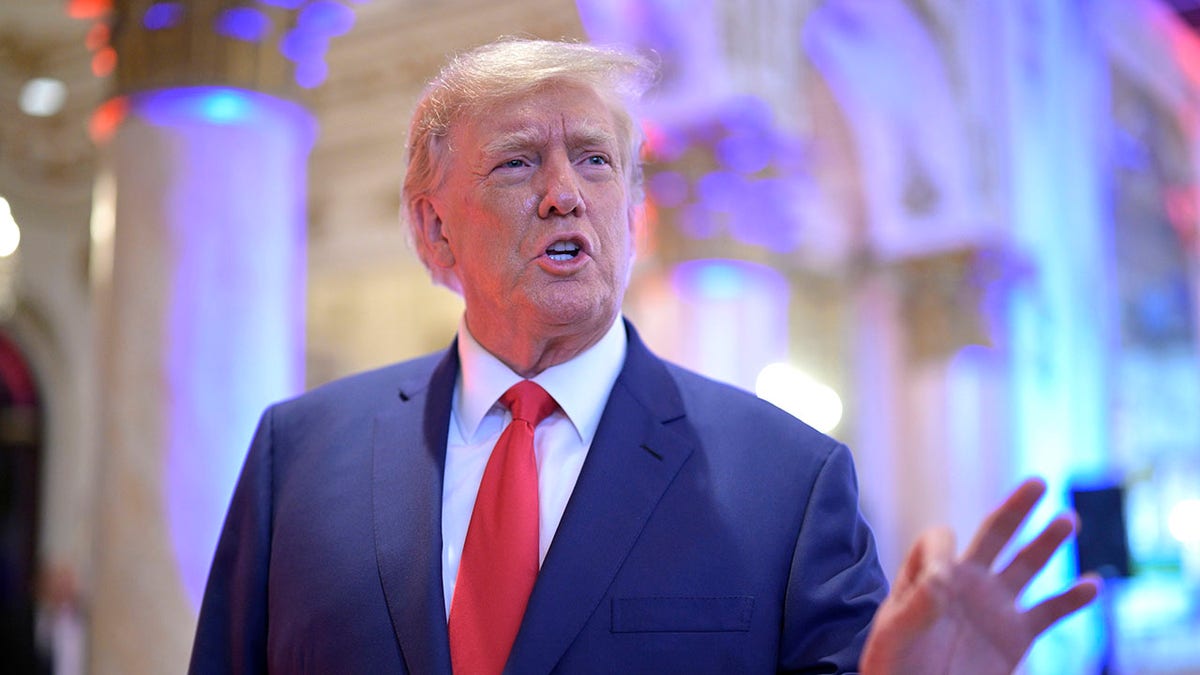
Yet in this instance, he’s using those past critiques to flip the script. By accusing 60 Minutes of amplifying hate, he distances himself from the shooter’s ideology while painting himself as a victim—not just of the attack, but of the media’s handling of it.
It’s a calculated move. And it’s working.
Public opinion is divided. A recent YouGov poll found that 48% of respondents believed 60 Minutes went too far by reading the manifesto, while 37% supported the decision as part of public accountability. Among Trump supporters, opposition to the broadcast soared to 72%.
What This Means for Future Coverage
This incident sets a precedent. As political violence becomes more frequent, media outlets will face harder choices about how—and whether—to engage with perpetrators’ writings.
Some best practices are emerging:
Avoid Full-Text Publication Summarize key points instead of quoting at length. This preserves context without reproducing harmful content.
Delay, Don’t Rush Immediate broadcast of manifestos can feed into cycles of attention and imitation. Waiting allows for deeper analysis and coordination with law enforcement.
Add Contextual Warnings
When excerpts are used, they should be framed with expert commentary on radicalization, mental health, and the dangers of ideological echo chambers.
Coordinate with Authorities Media should consult with law enforcement and behavioral analysts before airing unverified documents, especially when names or threats are involved.
Trump’s criticism, regardless of motive, has reignited a necessary conversation. Responsible journalism isn’t about censorship—it’s about intentionality.
The Bigger Picture: Media, Politics, and the Attention Economy
At its core, this conflict reflects a broken ecosystem. Extremists commit acts of violence knowing the media will amplify their message. Networks, in turn, cover the events because they drive engagement. Politicians then react, often inflaming tensions further.
Trump’s outburst is as much about media power as it is about the manifesto. He knows that 60 Minutes has influence—that a segment can shape national perception. By attacking the anchor, he’s challenging the gatekeepers.
But there’s a deeper irony: Trump himself has mastered the art of commanding media attention, often through controversy. His criticism of CBS echoes the same playbook he’s used for years—using outrage to dominate the news cycle.
Still, the concern he raises is valid. When media gives voice to violent manifestos, even with good intentions, it risks becoming part of the problem.
Conclusion: A Call for Smarter Journalism
The fallout from Trump’s rebuke of 60 Minutes won’t end soon. It’s a symptom of a media landscape where speed trumps caution, and visibility rewards violence.
But there’s a path forward. News organizations must develop clearer ethical guidelines for handling extremist content—especially when it intersects with political figures. That means resisting the urge to dramatize, prioritizing public safety over sensationalism, and recognizing that every word they broadcast carries consequence.
Trump may be politically motivated in his response. But the question he’s forcing the public to confront—Who benefits when we read a killer’s words aloud?—is one journalists can no longer afford to ignore.
Act now: Media outlets should adopt manifesto-handling protocols, include behavioral experts in editorial decisions, and commit to transparency about why and how extremist content is used. The next time a similar situation arises, the choice shouldn’t be between silence and spectacle. There must be a responsible middle ground.
Frequently Asked Questions
Why did Trump react so strongly to the 60 Minutes segment? Trump views the reading of the manifesto as giving a platform to his attacker, which he believes legitimizes violence and spreads dangerous ideologies.
Did 60 Minutes confirm the manifesto was authentic? The network reported it was based on writings attributed to the suspect, though law enforcement has not fully verified its completeness or authorship.
Is it ethical for journalists to read manifestos on air? Many media ethicists argue that verbatim readings risk amplification; summarizing with context is often seen as a safer alternative.
Has Trump criticized media coverage of violence before? Yes—he previously condemned the circulation of the El Paso shooter’s manifesto and has long accused the press of inciting division.
Could reading the manifesto inspire copycat attacks? Research suggests that extensive media coverage of extremist content can increase the risk of imitation, particularly when the perpetrator is highlighted.
What should media do instead of reading manifestos? Experts recommend summarizing key points, consulting law enforcement, adding expert analysis, and avoiding full reproductions.
How did the public react to Trump’s criticism? Reactions were polarized, with many Trump supporters backing his stance, while press freedom advocates defended the network’s editorial choice.
FAQ
What should you look for in Trump Slams 60 Minutes Anchor Over Manifesto Reading? Focus on relevance, practical value, and how well the solution matches real user intent.
Is Trump Slams 60 Minutes Anchor Over Manifesto Reading suitable for beginners? That depends on the workflow, but a clear step-by-step approach usually makes it easier to start.
How do you compare options around Trump Slams 60 Minutes Anchor Over Manifesto Reading? Compare features, trust signals, limitations, pricing, and ease of implementation.
What mistakes should you avoid? Avoid generic choices, weak validation, and decisions based only on marketing claims.
What is the next best step? Shortlist the most relevant options, validate them quickly, and refine from real-world results.


:max_bytes(150000):strip_icc():focal(749x0:751x2)/michael-jackson-Jafar-Jackson-tout-021424-09f2c7134c534740807a7033577a917a.jpg)